-
- All Pipettes, Dispensers & Automated Liquid Handlers
- All Micropipettes
- Mechanical Pipettes
- Electronic Pipettes
- Multi-Channel Pipettes
- Positive Displacement Pipettes & Dispensers
- Bottle-Top Dispensers
- Pipette Controllers
- Dispenser & Pipette Accessories
- Automated Pipetting
- Automation Consumables
- Automation Accessories
- Liquid Handler & Pipette Services
- Home
- Lab Academy
- Applied Industries
- Bioprocessing
- Introduction to Bioprocessing
- Microbial Production
- Bacterial Fermentation
Regarding suitability of Eppendorf bioprocess equipment in GMP-regulated applications, please reach out to your Eppendorf sales representative.
Bacterial Fermentation
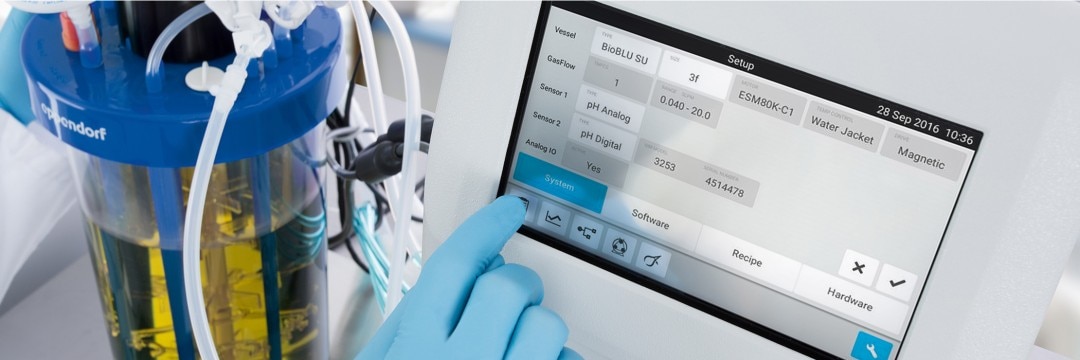
Bioreactors for bacteria
Fermentation process development
Fermentation scale-up and scale-down
Eppendorf bioreactors for bacterial fermentation
Fermentation of industry-relevant bacteria
Customer success stories
What is bacterial fermentation?
Read more
Bioreactors for bacteria
What are the benefits of bioreactors for bacterial fermentation?
- Better control of critical process parameters to create optimal growth conditions
- Achievement of higher cell densities through automated culture feeding
- Better scalability through scalable bioreactor design
Read more
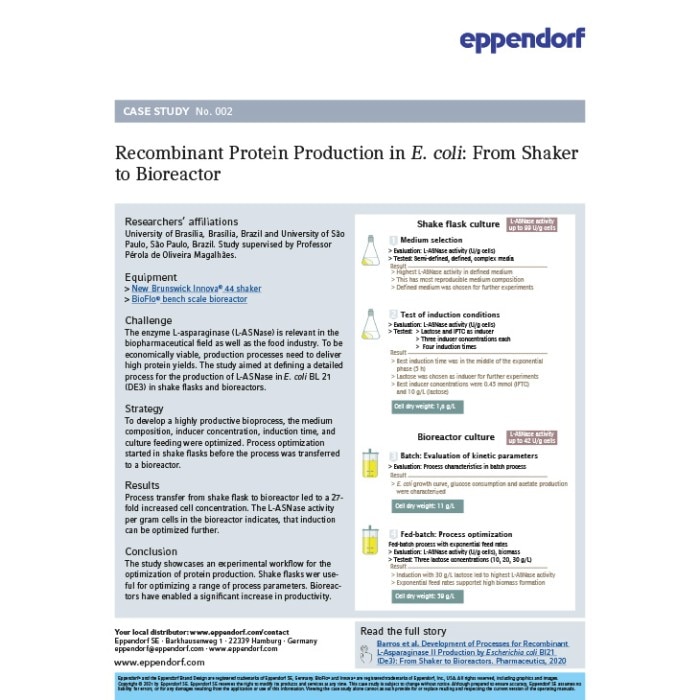
Customer case study
Are you interested in an example of the benefits of bioreactors for bacterial fermentation?
Then have a look at this customer case study about protein production in E. coli.
It shows that:
- Shake flasks were useful at the beginning of the optimization process to optimize the medium composition and induction conditions.
- Switching from shaker to bioreactor and the implementation of a fed-batch feeding strategy led to a 27-fold increased cell concentration.
What to consider when choosing a bioreactor for bacterial fermentation
To achieve high cell densities and product yields in bacterial fermentation, it is essential that the bioreactor system enables the following:
- Tailored gas supply for aerobic, microaerophilic, and anaerobic fermentation
- Nutrient supply via culture feeding
- Temperature regulation
- Culture scalability
Read on in the sections below for more information on these parameters.
Read more
What to consider to tailor oxygen supply in bacterial fermentation
Aerobic fermentation
- Impellers: These are used to agitate and mix a cell culture. The number of blades, speed and diameter can all affect the DO level.
- Sparger: Spargers are tools for gas exchange, specifically for introducing air and oxygen. The type of sparger influences the created bubble size and how effectively oxygen it is dispersed in the medium and therefore how easy is it made available to the cell biomass.
- Gassing system: Gasses can be introduced into the bioreactor via the headspace or directly into the culture. This is called overlay and submerged gassing, respectively.
- Baffles: The use of baffles enhances the mixing process. It leads to more turbulent mixing and prevents the culture from vortex mixing by breaking the vortex.
Read more
OTR and kLa
Read more
Anaerobic fermentation
Read more
Anaerobic fermentation application example
As an example for anaerobic fermentation in bioreactors, download this application note about anaerobic Clostridium beijerinckii fermentation for solvent production.
It shows that:
- Anaerobic fermentation is feasible in DASbox® Mini Bioreactor System and DASGIP® Parallel Bioreactor Systems equipped with BioBLU® f Single-Use Bioreactors
- Control of the redox potential led to a 6-fold increase in bacterial butanol production
- The scale-up strategy based on constant tip speed resulted in comparable redox and pH trends, as well as comparable bacterial growth, and butanol production
Micro-aerophilic fermentation
Read more
Micro-aerophilic fermentation application example
Download this application note to learn how to replicate the microaerophilic conditions of the gut using a bioreactor.
It shows that:
- Precise control of dissolved oxygen at 4 % is feasible using both the BioFlo® 120 and BioFlo® 320 bioprocess controllers. A DO level of 4 % is equivalent to an oxygen concentration of 0.8 %, representing the physiological conditions of the gut microbiome.
- Both the BioFlo 120 and BioFlo 320 bioprocess controller facilitated robust growth of Lactobacillus acidophilus.
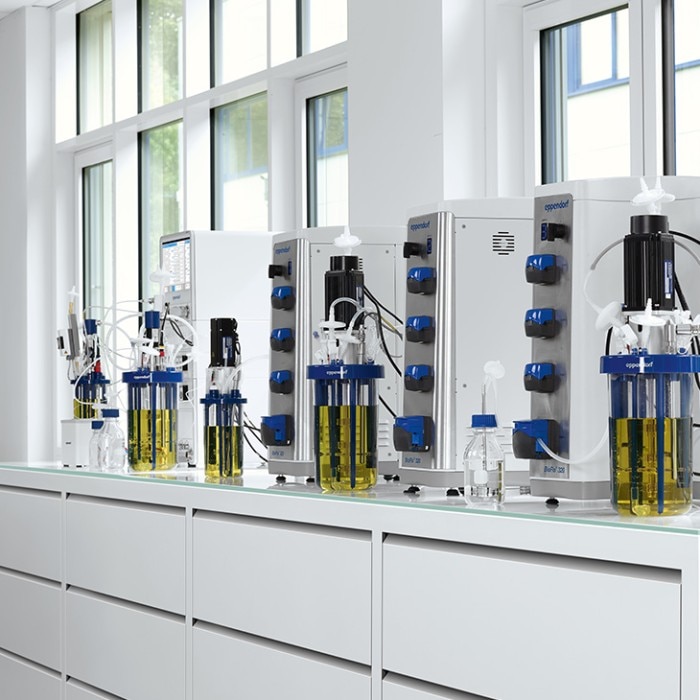
What to consider to supply nutrients via culture feeding in bacterial fermentation
- Batch: Feeding substrate is only added at the beginning of the fermentation process.
- Fed-batch: Feeding substrate is added at the beginning and in increments throughout the rest of the bioprocess until the maximum working volume is reached.
- Continuous: Substrate is continuously added to the culture, with the continuous harvesting of cells and media to maintain a constant environment.
Fed-batch and continuous culture operation modes offer the possibility to incorporate feed automation and improve your fermentation process. Feed automation can be accomplished by tracking various parameters in real-time to keep track of the culture's metabolic health and automatically alter the substrate concentration with feed pumps. Bioprocess software like DASware® control can be utilized to automate feeding by monitoring important parameters in real-time.
Read more
What to consider to regulate the temperature in bacterial fermentation
Ways to cool a microbial culture to maintain a stable temperature in a bioreactor:
- Use of stainless-steel cooling fingers
- Use of water-jacketed vessels
- Some variants of the BioBLU® f Single-Use Βioreactor product line have patented cooling baffles, providing efficient heat removal through active cooling of the interior of the bioreactor.
Read more
What to consider when scaling up bacterial cultures
Visit our bioprocessing scale-up webpage to learn more about bioprocess scale up strategies and the Eppendorf bioprocess solutions for bioprocessing scale-up.
Read more
Bacterial fermentation process development
Getting started with bacterial cultivation in fermentors
Read more
Use an easy-to-use bioprocess system
Read more
Application example: Auto Culture Mode
To find out more about the BioFlo® 120 Auto Culture Mode, read this application note from our bioprocess application experts.
Application note highlights:
- The application note explains E. coli Auto Culture mode setpoints and loop modes.
- The Auto Culture Mode reduced the complexity of the design of a new E. coli fermentation bioprocess.
- Culturing E. coli in Auto Culture Mode resulted in a successful batch run.
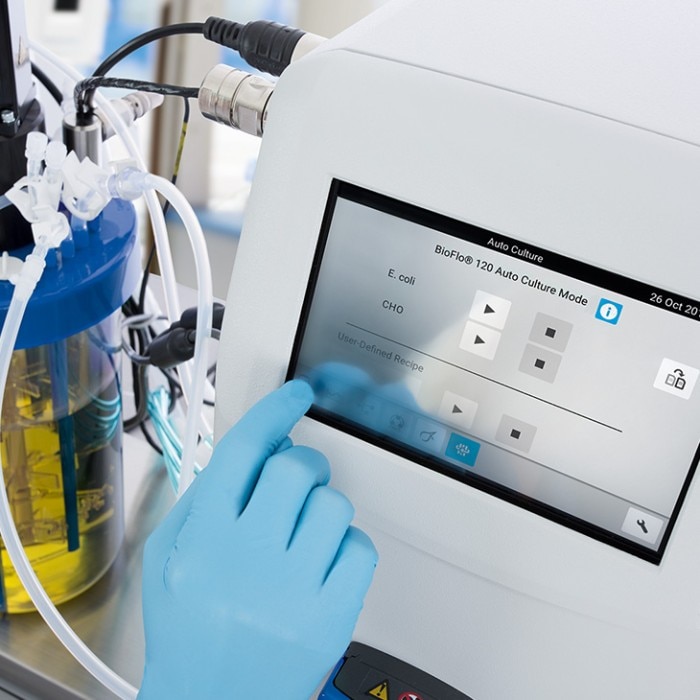
Benefit from how-to-guides for bacterial fermentation
Read more
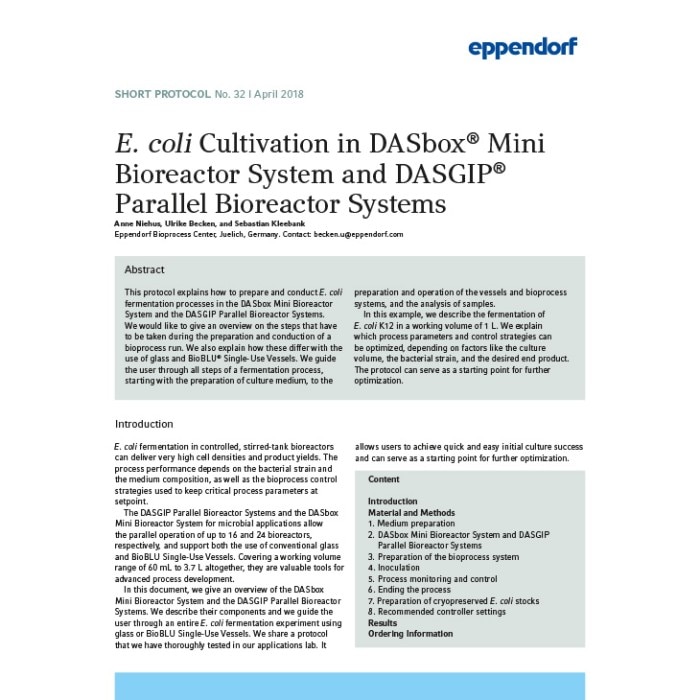
Protocol: E. coli bioprocess setup at small scale.
Download this protocol on E. coli bioprocess setup using the DASbox® Mini Bioreactor System or DASGIP® Parallel Bioreactor System .
- The protocol explains how to prepare and conduct E. coli fermentation processes in the DASbox Mini Bioreactor System and the DASGIP Parallel Bioreactor System
- The protocol explains how bioprocess workflow steps differ with the use of glass and single-use bioreactors
- The protocol explains which bioprocess parameters and control strategies can be optimized and can serve as a starting point for further optimization
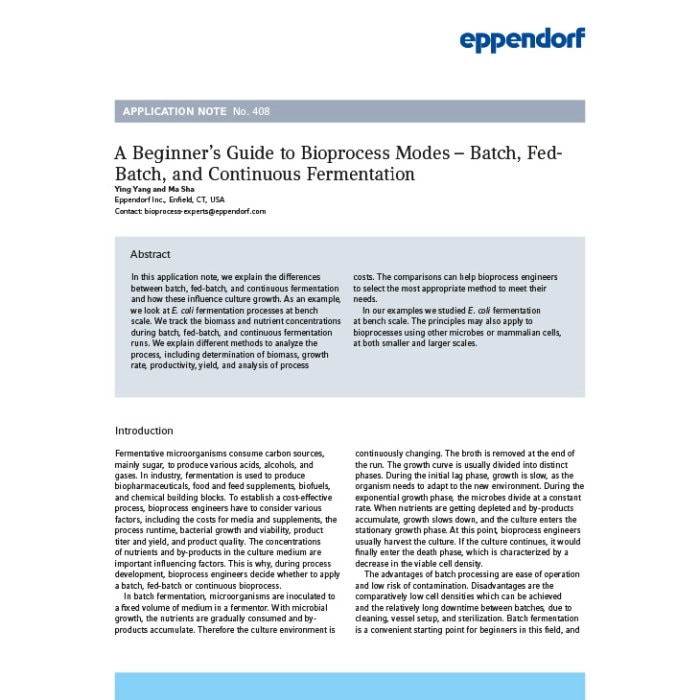
Application Note: A beginners guide to bioprocess modes
Discover a beginner's guide to bioprocess modes, authored by our bioprocess application experts.
Summary:
- The application note explains the differences between batch, fed-batch, and continuous fermentation and how these influence bacterial growth
- The application note explains methods to determine biomass, bacterial growth rate, productivity, yield, and analysis of process costs
- The application note explains the preparation of bacterial culture medium, inoculum, vessel setup, sensor calibration, and bioprocess run
Bioprocess expert tips
Discover the top 10 bioprocess expert tips from our applications lab:
- Tips to simplify the handling of your bioreactor system and vessels
- Tips to save time in sensor calibration
- Tips to improve dip tube cleaning, avoid filter clogging, and more

How can I accelerate upstream process development in bacterial fermentation?
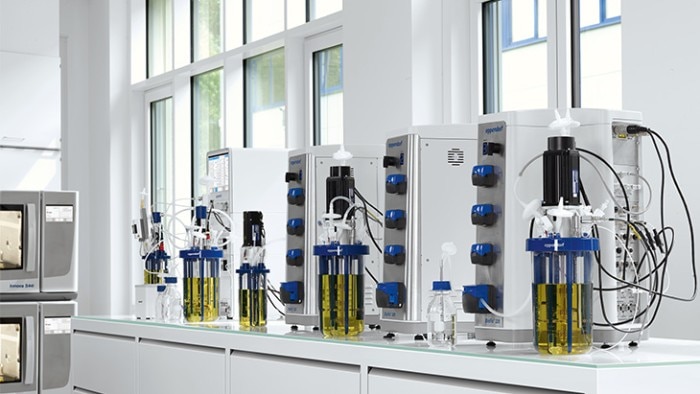
- Parallel bioreactor systems: These systems enable the simultaneous operation of multiple experiments, thereby conserving time and resources while using lab space efficiently. One example of a parallel bioreactor system is the DASbox® Mini Bioreactor System .
- Single-use bioreactors: They eliminate the need for labor-intensive cleaning, improve turn-around time, reduce the cross contamination risk, and consequently, increase the effectiveness of your microbial production. BioBLU® f Single-Use Bioreactors are an example of single-use bioreactors for microbial applications.
- Bioprocess control software enables critical process parameters such as pH, temperature, dissolved oxygen, nutrient concentration and the organism's status to be measured and controlled at setpoints. Click here for more information about how bioprocess monitoring and control works.
- Software tools to turn data into knowledge. In-depth data analysis is required to understand how process parameters influence each other and the product. BioNsight® cloud is one example of a software tool that can advance bioprocess data analysis.
- Bioprocess automation: The development and execution of fermentation processes in bioreactors can be simplified and accelerated by process automation. Examples of automatable process steps in bioprocessing include bioprocess sampling , process parameter control, culture feeding, and data handling. Click here for more information about automating routine tasks in bioprocessing.
Read more
How can single-use fermentors help save process development time?
Single-use bioreactors can help save time in bacterial fermentation by minimizing setup times, eliminating cleaning procedures and reducing labor time and costs.
BioBLU® f Single-Use Bioreactors are a powerful tool for more efficient process development:
- They achieve the mass transfer and heat removal requirements of fermentation processes by
- Proven stirred-tank design
- Powerful overhead drives featuring Rushton-type impellers
- Smart solutions for cooling
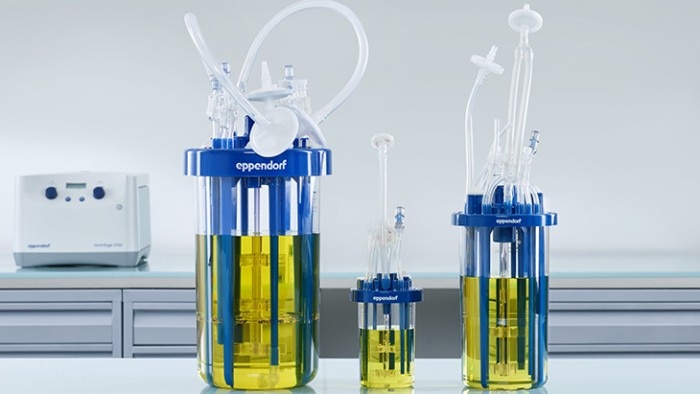
Application example: BioBLU® f Single-Use Bioreactors
It shows that:
- OTR values measured in the BioBLU® 0.3f Single-Use Bioreactors were comparable to those achieved with conventional DASbox® glass bioreactors
- Final biomass achieved in BioBLU® Single-Use Bioreactors and glass bioreactors were comparable
Read more
How can I automate sampling in bacterial fermentation to reduce manual work?
Read more
Application example: Autosampling
Find out more about automated sampling of an E. coli bioprocess in an application note developed by our bioprocess applications team.
Application note highlights:
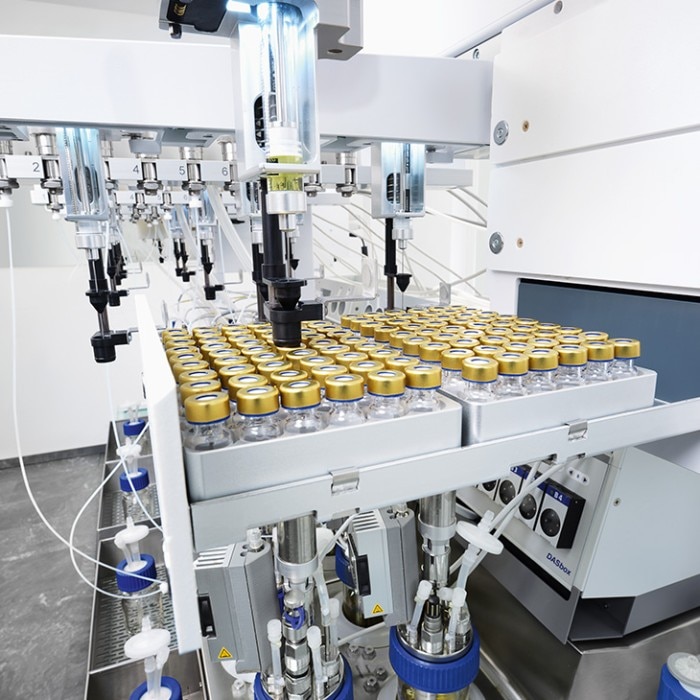
- The Bioprocess Autosampler enabled the efficient monitoring and evaluation of feeding strategies by automating the sampling process.
- Using the Bioprocess Autosampler enabled sampling of 200 samples from an 8-fold parallel DASbox Mini Bioreactor System over the course of 48 hours.
- The Bioprocess Autosampler enabled sampling outside working hours. Consistent sampling intervals enabled conclusions to be drawn about the preferred feeding strategy, which would have been overlooked if sampling had only occurred during normal working hours.
- Optical density and glucose concentration remained stable in samples stored in the autosampler's cooling stack at 4 °C for 72 hours.
How can I automate culture feeding in bacterial fermentation?
- Prevention of nutrient depletion
- Generation of a more stable macro-environment
- Reaching higher product yields
- Reduction of manual workload
- Improvment of standardization
To automate feeding, two steps need to be taken:
- First, a feed pump needs to be installed, that can be controlled by the bioprocess control software and can add the feed solution into the bioreactor automatically,
- Second, the bioprocess control software must be programmed to activate and control the pump.
Read more
Strategies for feed automation in bioprocessing
- Time-based feeding: A defined volume of feed solution is added to the culture per time increment. One example is an exponential feed profile. Exponential feeding of an actively growing culture aims at elongating the exponential growth phase for higher biomass density, while effectively avoiding nutrient depletion and toxic byproduct buildup.
- Feeding based on a DO spike: The DO concentration in a bioreactor depends on both air supply and cellular oxygen consumption, decreasing as cells grow. When carbon sources are exhausted, cell metabolism drops, causing a sudden DO spike. This spike signals substrate depletion and can be used to automate culture feeding. Feeding based on a DO spike is particularly suited for microbial cultures with a high oxygen demand.
- Feeding based on substrate concentration: The concentration of a relevant substrate (e.g. glucose) is directly measured. If it drops below a threshold, feeding is initiated. Feeding based on the substrate concentration allows a particularly close control of one specific nutrient, in most cases the major carbon source.
- Feeding based on the respiratory quotient: The respiratory quotient is the quotient of carbon dioxide produced and oxygen consumed by a culture. A drop of the RQ below 1 indicates glucose depletion and triggers the initiation of a feed pump.
If you are interested in a more detailed explanation of the different feeding strategies and how to implement them using software scripts, download our ebook: Upstream bioprocessing – Improving efficiency through digital tools .
Read more
Application example: Feed automation
Read this application note by our customer at TU Wien to find out how a biomass soft sensor was used to control various substrate uptake rates.
It shows that:
- A biomass soft sensor was implemented using a DASbox® Mini Bioreactor System and DASware® control software .
- Biomass of the E. coli culture was estimated online using the soft sensor and based on the data the pump flow rate was automatically adjusted to control the supply of culture feed.
How can I optimize plasmid production in a bioreactor?
Read more
Application note: Plasmid production in bioreactors
Find more information about plasmid production in bioreactors from our application experts. Download this application note about E. coli plasmid DNA production using the DASbox® Mini Bioreactor System .
It shows that:
- Plasmid DNA production in the DASbox® Mini Bioreactor System was feasible.
- Material and methods for plasmid DNA production in bioreactors are described.
- In a fed-batch process the optical density as well as plasmid yield were higher than in a batch process.
- Plasmid production yield and cell growth correlated in both the batch and the fed-batch bioprocess.
Application note: E. coli fermentation for CAR T plasmid production
Plasmid DNA demand for cell and gene therapies is growing and requires robust, reproducible fermentation processes. Download this step-by-step workflow for E. coli fermentation for CAR plasmid production using the SciVario® twin bioprocess controller and BioBLU® f Single-Use Bioreactors .
- Find detailed descriptions of pH/DO control, cascade strategies, and pump calibration using the SciVario twin.
- Using the SciVario twin system and BioBLU f Single-Use Bioreactors, CAR plasmid titers of around 5 µg/mL were achieved.
- Fermentation processes for CAR plasmid production in the SciVario twin were highly reproducible between parallel runs and across separate batches.
Bacterial fermentation scale-up and scale-down
How can I scale-up or scale-down bacterial fermentation in bioreactors?
Visit our bioprocessing scale-up page to find more information about different scale-up strategies and about the scalable fermentor solutions from Eppendorf.
Read more
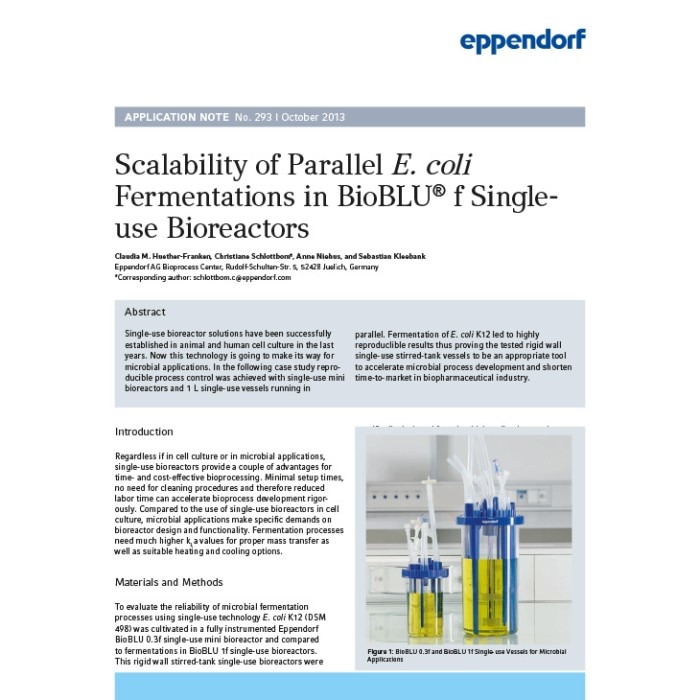
Application note: Scalability of E. coli fermentation in single-use fermentors
This application note analyses the scalability of bacterial fermentation in BioBLU® f Single-Use Bioreactors .
Summary:
- E. coli bioprocesses were carried out in BioBLU® 0.3f and BioBLU® 1f Single-Use Bioreactors with starting working volumes of 100 mL and 700 mL, respectively.
- Fermentation runs in BioBLU 0.3f and BioBLU 1f Single-Use Bioreactors resulted in comparable cell wet weights.
Where can I find examples of bacterial fermentation scale-down?
Read more
Application note: Scale-down of a C. glutamicum fermentation process
Download this customer application note about fermentation scale-down.
Summary:
- Scientist at Forschunszentrum Jülich used a DASGIP® Parallel Bioreactor System and DASware® control software to set up a scale-down model to simulate inhomogeneous cultivation conditions as they can occur at production scale
- They were able to simulate parameter gradients that can occur at production scale and evaluated metabolic effects of the oscillating DO and substrate concentrations.
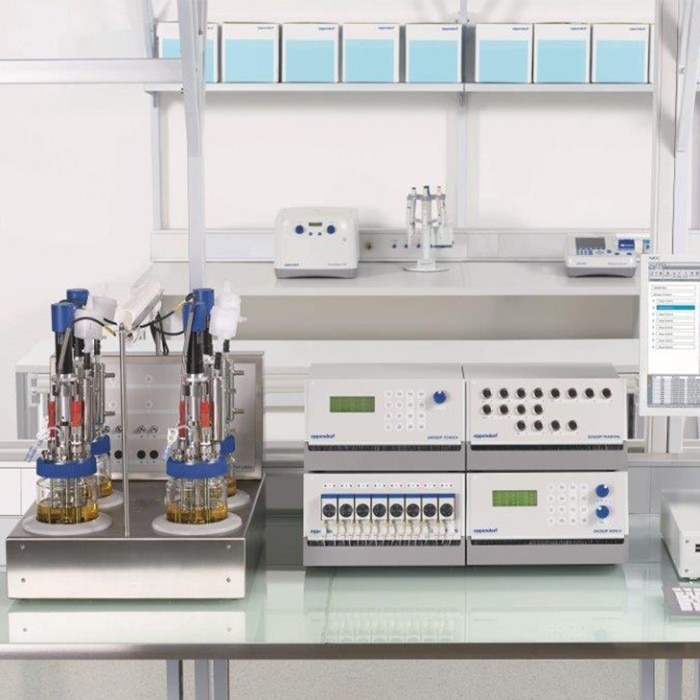
Application note: Scaling down E. coli fermentation
This customer application note describes the scale-down of an E. coli fermentation process for amino acid production.
Application note highlights:
- Scientists at Evonic used a DASbox DASbox® Mini Bioreactor System Mini Bioreactor System to scale-down a 2 L bioprocess to 200 mL.
- Critical process parameters such as feeding profiles, impeller tip speed, and pH, DO, and temperature setpoints were successfully transferred from a benchtop bioreactor system to the DASbox system.
- Product yields in the DASbox system were comparable to those in the benchtop bioreactor system
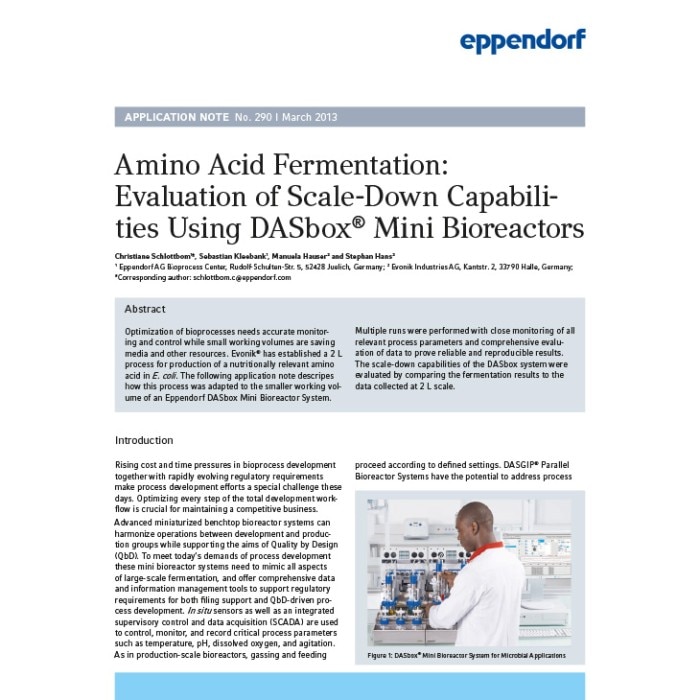
Eppendorf bioreactors for bacterial fermentation
Please see below for some of our bioprocess solutions for bacterial fermentation at different scales. Our bioprocess specialists are happy to provide further support. Please contact us to discuss the needs of your individual application.
Read more
A selection of Eppendorf bioreactors for bacterial fermentation
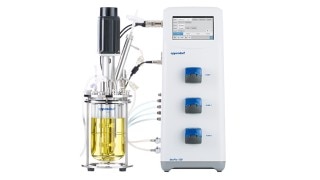
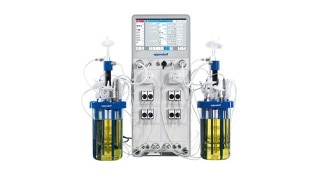
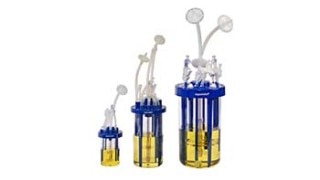
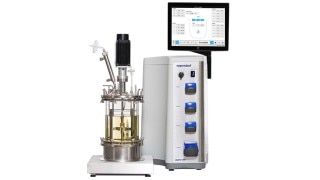
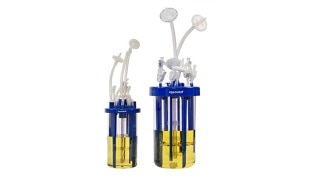
Cultivation of industry-relevant bacteria in Eppendorf bioreactors
Corynebacterium glutamicum
Download the following application notes that demonstrate how our customers successfully cultivated C. glutamicum in Eppendorf bioreactor systems!
- Application Note 304: A DASGIP® Parallel Bioreactor System was used to produce chemicals from engineered C. glutamicum strains.
- Application Note 301: A DASGIP® Parallel Bioreactor System and DASware® control software were used used for scale-down model development.
Read more
Streptococcus sp.
Download the following application note that demonstrates how one of our customers successfully cultivated Streptococcus sp. in Eppendorf a bioreactor system:
- Application Note 337: A BioFlo® 120 bioprocess controller was used to set up a hyaluronic acid production process using Streptococcus
Read more
Clostridium sp.
Download the following application notes that demonstrate the successful cultivation of Clostridium sp. in Eppendorf bioreactor systems,.
- Application Note 358: The BioFlo® 120 control station was used for anaerobic fermentation of C. beijerinckii.
- Application Note 434: BioBLU® f Single-Use Bioreactors were used to scale up anaerobic fermentation of C. beijerinckii from 250 mL to 1 L.
Read more
Escherichia coli
Download the following application notes that demonstrate the successful cultivation of E. coli in Eppendorf bioreactor systems:
- Application Note 340: E. coli fermentation in the BioFlo® 320
- Application Note 307: E. coli fermentation in the BioFlo® 120
- Application Note 462: E. coli fermentation in the SciVario® twin
- Protocol 032: E. coli fermentation in DASbox® Mini Bioreactor System and DASGIP® Parallel Bioreactor System
Read more
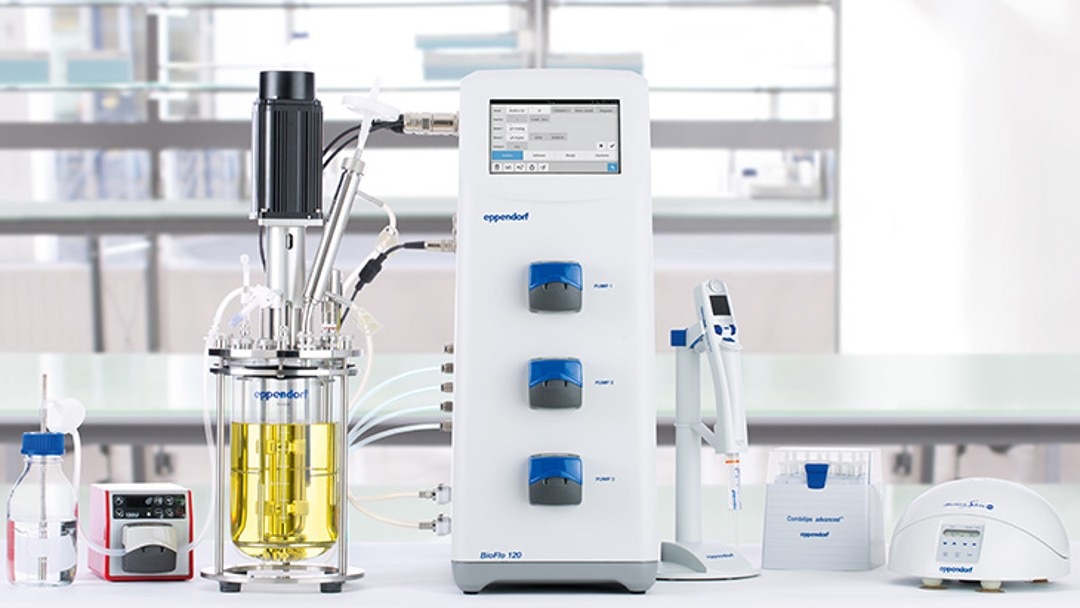
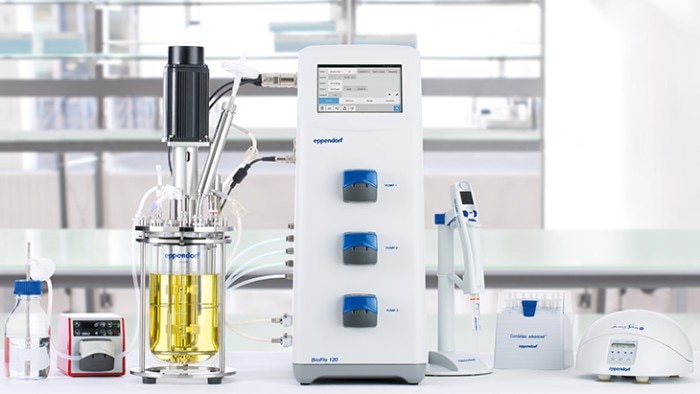
Lactobacillus sp.
Download the following application notes that demonstrate the successful cultivation of Lactobacillus sp. in Eppendorf bioreactor systems by our customers:
- Application Note 299: A DASGIP® Parallel Bioreactor System was used for optimizing Lactobacillus sp. fermentation
- Application Note 412: BioFlo® 120 and BioFlo® 320 bioprocess controllers were used for microaerobic fermentation of Lactobacillus acidophilus to mimic the natural physiology of the human gut.
Read more